
Joint Replacement Surgery

Your medications
Some medications may need to be ceased a number of days before surgery. Blood thinners (aspirin, warfarin and other agents like Plavix, Iscover, Pradaxa, Brilinta and Xarelto) and diabetic medication require special consideration and you should be given specific instructions about what to do with these medications. Other drugs, including regular medications used for the treatment of heart problems, blood pressure, reflux and asthma may be taken normally. If you are unsure, please speak to your surgeon or ask to speak to your anaesthetist.
You’re in good hands
Anaesthetists in Australia are highly trained medical specialists. After graduating from medical school and completing an internship, at least five more years are spent undergoing training in anaesthesia, pain management, resuscitation and the management of medical emergencies.
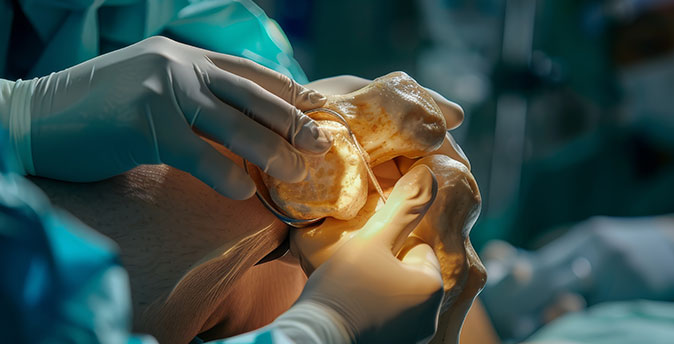
More than 100,000 Australians have major joint replacement surgery each year, most commonly hip, knee, ankle and shoulder replacement. When you need to have a major joint replacement, preparation will help to ensure that the experience is a positive one.
The aims of this pamphlet are to:
- Provide you with basic information about anaesthesia for major joint replacement surgery.
- Encourage you to ask questions of your anaesthetist.
- Help you approach the planned procedure positively.
The role of the anaesthetist
Your anaesthetist will want to know about you, your medical conditions and your previous experiences with anaesthesia. If you have a complex medical history, your anaesthetist may want to see you or talk to you before your admission to hospital. Your surgeon should be to get them in the best possible condition. Although these tests and investigations may delay your surgery, major joint replacement surgery is not emergency surgery, and having you in the best condition prior to surgery is crucial to a successful outcome and to your long-term health. able to give you your anaesthetist’s contact details. A health summary and results of investigations can provide valuable information for your anaesthetist and you should have them when you meet with your anaesthetist. These should be available from your local doctor. It is possible that you might need further tests and consultations with other specialists before your surgery. These may include further tests on your heart and lungs
On the day
You will be given instructions as to which of your medications to take, and what you can eat and drink on the day of your operation. In general, you will be asked to avoid eating on the day but you will be allowed to drink clear fluid, e.g. water, up to 2 hours prior to surgery.
Anaesthetic practices vary so please feel free to check with your anaesthetist.
What about ‘blocks’ (regional anaesthesia)?
How long will it take?
The duration of surgery will vary depending on the surgical technique, your body’s response to surgery, and other issues such as blood loss. In some cases, transfusion of blood products may be required. At the end of the operation and as you wake up, you will be transferred to the recovery room, where your anaesthetist, with recovery room staff, will continue to monitor your condition well after the surgery is finished to ensure your recovery is as smooth and trouble-free as possible.