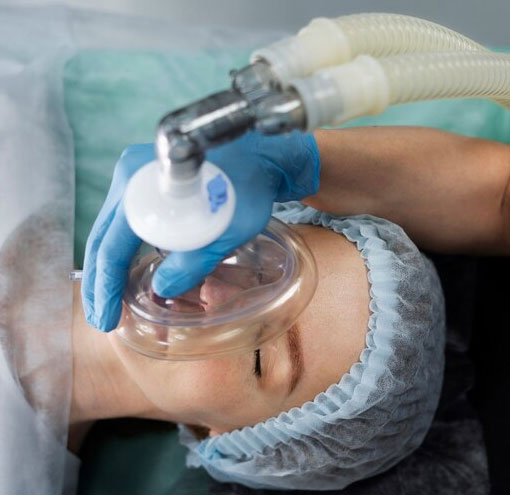
Dental Sedation
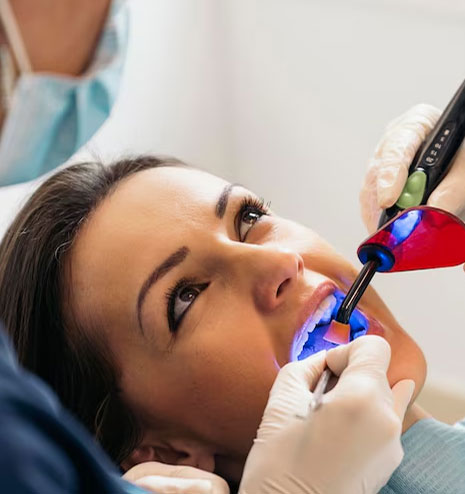
Firstly you’re in good hands.
Anaesthetists in Australia are highly trained medical specialists. After graduating from medical school and completing internship and residency (three to four years), at least five more years are spent undergoing training in anaesthesia, pain management, resuscitation and the management of medical emergencies.
The role of the anaesthetist.
Your anaesthetist will want to know about your medical conditions, allergies and your previous experiences with anaesthesia. If you have a complex medical history, our anaesthetist may want to see you or talk to you before your dental procedure.
On the day
You will be advised to avoid food for at least six hours before your dental procedure, although clear fluids such as black tea or coffee (no milk), water and non-carbonated sports drinks (i.e Gatorade) can be consumed up until two hours before your dental procedure. Please do not chew gum during the fasting period as this may increase your risk of aspiration.
If you don’t follow these rules of fasting, the dental procedure may continue under local anaesthetic only and no sedation will be administered. This is in the interests of your safety as food or fluid in your stomach could enter your lungs.
What sort of anaesthesia?
Anaesthesia for dental procedures is achieved by injecting drugs through a cannula placed in a vein, and maintained with intravenous drugs. The anaesthetist monitors your condition closely and constantly adjusts the level of anaesthesia. While this type of anaesthesia is commonly called ‘sedation; or ‘twilight anaesthesia’, the level of anaesthesia reached will not be general anaesthesia. This is because it’s important that you retain the ability to respond to a person’s voice. This moderate form of sedation enables you to swallow, cough and follow any requests made by the dentist. During moderate forms of sedation you may be aware of your surroundings and afterwards you may have some recollection of the dental procedure itself.
If you prefer to have no awareness of the procedure. You should discuss your preference with your dentist who can facilitate a general anaesthetic at a local Private Hospital.